Kategorien
FASHION

Maison Blanche

„MAISON BLANCHE/SWISS MADE“


Subtitel: Der Schweizer Designer Yannik Zamboni gewinnt die amerikanische Mode-Design Show „Making the Cut“, produziert und moderiert von Heidi Klum. Seither revolutioniert er die Schweizer Modeszene im Alleingang. Seine dekonstruierten, zum Teil abstrakten, genderfluiden Entwürfe werden klimafreundlich und nachhaltig mit innovativen Materialien hergestellt. Die fast ausschließlich weißen Stücke begeistern seitdem eine modisch offene Avantgarde.

Der extrem klare und aufgeräumte Schweizer verbindet typisch Schweizer Tugenden mit internationalem Underground. Eine unglaubliche Mischung!


Cyte: Erstmal ein Kompliment vorweg: Ich finde Deine Arbeit großartig! Cyte hat immer einen Teil im Magazin, der sich kritisch mit Mode beschäftigt. Deine Arbeit hat mich auf den ersten Blick angezogen, endlich eine differenzierte Perspektive, bei all dem, was sich in der Mode sonst so präsentiert. Ich tue mich schon seit einiger Zeit schwer mit dem, was da draußen passiert. Vor allem mit dem, was diese Luxushäuser machen. Und auch, wie Dinge vermarktet werden, wie Dinge verkauft werden, zu welchem Preis sie verkauft werden. Und es ist absurd. Ich liebe vieles, was auf den Laufstegen gezeigt wird, aber wenn man sich dann die Website ansieht, ist es gruselig. Zwischen dem, was man auf der Show sieht und dem, was man danach kaufen soll liegen Welten! Und vor allem verstehe ich immer noch nicht, dass ein T-Shirt 800 Euro kosten muss, mit einem Marken-Logo drauf. Das ist so… Aber beide sind dumm. Sowohl derjenige, der es kauft, als auch derjenige, der es verkauft. Das ist so zynisch und falsch!


YZ: Ich bin vor zwei, drei Wochen nach Wien geflogen, weil ich dort zwei Veranstaltungen besucht habe. Und Swiss hat es wieder geschafft, meinen Koffer zu verlieren. Wien war so kurz vor Weihnachten sehr überfüllt. Es war so voll und ich hatte genau anderthalb Stunden Zeit, um etwas Anständiges zum Anziehen für die Oper zu besorgen. Ich war im Jogginganzug geflogen. Ich wusste nicht, was ich tun sollte und ging zu einem Geschäft, in dem man alles finden kann, was man braucht. Ich ging in den Balenciagashop und die Preise waren verrückt. Ein T-Shirt kostet 990€, ein einfaches T-Shirt 990€! Alles kostet irgendwie 1.000€. T-Shirt 1.000€, Hemd 1.000€, Hose 1.000€, Schuhe 1.000€. Es hat nichts damit zu tun, wie hoch die Margen sind, wie hoch die Produktionskosten sind. Jemand stand eines Tages da und dachte: „Ah, lass uns 1.000 machen. Ach, oder 1.000 klingt ein bisschen schwierig, lass uns 990 für dieses T-Shirt machen. Aber ich kann nicht überall 990 haben, machen wir also auch 1040. Oder wir machen 980 Euro.“ Das ist so dumm.


Cyte: Ja, ich bin eigentlich ein großer Fan von allem, was Demna (Anm. d. Redaktion: Demna Gvasalia, Chefdesigner des Modehauses Balenciaga) macht. Und ich finde es auch gut, dass man die Dinge aus ihrem Kontext herausnimmt und woanders hinstellt. Was er oft in der Vergangenheit tat, mit den Bezügen zu Krieg und sein Aufwachsen in Georgien. Dass diese Normalität plötzlich eine andere Bühne bekommt und auf ein solches Podest gehoben wird. Dieses Konzept ist sehr interessant, auch im Hinblick auf das Marketing. Und natürlich ist die Provokation bei so einer Kollektion vorprogrammiert. Aber irgendwann kommt der Punkt, an dem man einfach dasteht und denkt: Also null Designarbeit, die Produktion kostet etwa 30 Euro. Vor allem in diesen Mengen, aber dann dieses Preisschild…


YZ: Ich denke, es gibt noch einen anderen Punkt: interessante Dinge, die in einer Show gezeigt werden, aber aufgrund der geringen Nachfrage nie produziert werden. Denn wenn man von bestimmten Dingen nur kleine Mengen herstellen würde, dann läge der Preis bei 990. Das wäre der tatsächliche Preis. Wenn Sie nur wenige Stücke herstellen, dann kommen Sie auf diesen Preis. Dann hat man einen sehr schmalen Spielraum. Und dann macht man es nicht, oder die Großen machen es nicht, weil die Gewinne einfach zu gering sind. Deshalb so viel kommerzieller Kram, der am Ende in den Verkauf kommt – zu dem gleichen hohen Preis, aber in großen Stückzahlen …


Cyte: Erzähl uns ein wenig über Deine Pläne für dieses Jahr. Ich habe das Gefühl, nach all den Recherchen, die ich über Dich gemacht habe, nach diesem Sieg bei Heidi Klums „Making the Cut“, hast Du ziemlich viel Medienaufmerksamkeit bekommen. Ab Januar wird Deine Kollektion PRseitig von New York aus betreut werden. Was passiert sonst noch?


YZ: Ja, da ist einiges in der Pipeline. Vieles ist geplant, vieles kam ungeplant. Einerseits muss ich sagen, dass ich mich Ende Dezember entschieden habe, nicht mehr mit Amazon zusammenzuarbeiten. Mein Retail-Vertrag mit Amazon für die Marke „Maison Blanche“ wurde so abgeändert und unattraktiv gestaltet, alle Risiken wurden auf mich geschoben, so dass ich mich entschieden habe nicht mehr weiter mit Amazon zu arbeiten. Meine Co-Brand „rare/self“ wurde seitens Amazon beendet.

Und das bedeutet, dass es für dieses Jahr wirklich eine komplette Umstrukturierung gibt. Wir werden ein Crowdinvesting betreiben, um weiterhin produzieren zu können. Wir sind aber auch darauf angewiesen, Anteile zu verkaufen und neue Fans zu gewinnen. In der Pipeline ist das Parfum. Wir haben Parfums produziert und jetzt sind sie auch marktreif, würde ich sagen. Die kommen sicher dieses Jahr! Parfums! Wir arbeiten mit einem Schuhunternehmen oder mit verschiedenen Schuhherstellern zusammen, um Schuhe zu produzieren. Und dann würde dieses Jahr noch die erste komplett eigenständige Kollektion erscheinen. Was natürlich hochwertiger sein wird und im Preissegment der großen Luxushäuser liegen wird. Aber nicht wegen der riesigen Marge, die darauf steht, sondern weil die Produktionsmenge viel kleiner und viel nachhaltiger beschaffen ist und entsprechend produziert wird.


Cyte: Vor zwei Ausgaben haben wir eine Geschichte über einen Deutschen in Paris gemacht, über Lutz Hülle …


YZ: Lutz Hülle hat übrigens an meiner Bachelor-Thesis als Gastjuror fungiert und meine Abschlussarbeit bewertet.


Cyte: Ich hatte ein tolles Gespräch mit ihm. Was mir an ihm gefiel war, dass er natürlich Frühling/ Sommer, und Herbst/Winter Kollektionen macht, aber so wie ich es verstanden habe, denkt er das nicht als Kollektion, sondern betrachtet seine Arbeit wie eine „Garderobe“. Und er sagt, er erweitert diese Garderobe, ergänzt und fügt hinzu, und er schaut sich an, was er letzte Saison gemacht hat, was falsch oder nicht so gut gemacht wurde, oder was noch fehlt und so weiter. Und das habe ich tatsächlich als einen guten Gedanken empfunden, auch im Hinblick auf Nachhaltigkeit usw. Es ist letztlich so, wie es jeder zu Hause macht. Niemand (hoffentlich) ändert jedes Jahr seine komplette Garderobe. Manchmal wünschte ich, ich hätte Dinge zweimal gekauft, weil ich sie so schön finde. Und danach waren sie nicht mehr da und man bekam sie auch nicht wieder. Bei dieser „Garderoben“ Herangehensweise ändern sich die Dinge viel langsamer und liebgewonnene Teile bleiben viel länger erhältlich. Deshalb denke ich, dass es sinnvoll ist, nur etwas Neues zu zeigen, wenn es wirklich eine interessante Erweiterung der bestehenden „Garderobe“ ist und nicht nur weil eine neue Saison ansteht.


YZ: Das ist auch Teil unserer Werte. Teile, die überhaupt nicht konkurrieren. Eigentlich ist es als Erweiterung gedacht. Wir sind auch komplett saisonfrei, würde ich sagen. Ich habe noch nie öfter als einmal im Jahr gezeigt, das werde ich auch zukünftig nicht tun. Dafür ist der Aufwand zu groß, das Ganze zu kostspielig. Aber ich finde schon, dass die Kollektionen miteinander harmonieren sollten, damit man sie zusammen tragen kann und man genau das hat, was Lutz gesagt hat, eine Garderobe, die ständig wächst und in der Dinge ausgetauscht oder verbessert werden. Es kommt auch sehr oft vor, dass ein Teil weggenommen wird, das war ein schöner Teil, aber man konnte vielleicht ein oder zwei Dinge verbessern oder korrigieren und dann ist das erledigt. Viel mehr als der Versuch, um jeden Preis etwas Neues zu machen oder etwas zu verändern. Denn was dann passiert ist, dass man aus einer weiten Hose eine Röhrenjeans macht und diese dann hin und her rutscht. Die Produkte konkurrieren nicht miteinander, sie sollen sich gegenseitig ergänzen.


Cyte: Gehst Du tatsächlich nach New York oder woanders hin?


YZ: Ich muss sagen, was ich bei meinem kleinen, aber noch sehr jungen Team gemerkt habe, ist, dass ich vor Ort sein muss, damit es funktioniert. Wir sind noch nicht so groß, und wir haben keinen CEO oder sonst jemanden, der allen auf die Finger schaut. Das bin immer noch ich. Und ich habe gemerkt, dass die Dinge nicht so reibungslos laufen, wie sie sollten, wenn ich zu lange weg bin. Und deshalb sehe ich Zürich als unseren Hauptstandort, weil ich hier wohne und es mir gefällt, hier zu sein. Ich würde einen Auslandsaufenthalt nicht ausschließen. Manche Dinge sind im Ausland einfacher. Wenn Du in einer Modemetropole wie New York oder Paris bist, dann haben sie die richtigen Mitarbeiter, die schwirren da einfach um dich herum. In der Schweiz sucht man nach guten Mitarbeitern sehr hart und lange. Es wollen zwar viele in die Branche, aber halt zu den schweizer Bedingungen. Und obwohl wir relativ hohe Löhne zahlen, was ich wichtig finde, ist es schwer, die richtigen Leute zu finden.


Cyte: Könntest du nicht Deine Shows in Paris oder New York zeigen, aber Deinen Sitz in der Schweiz lassen?


YZ: Ja, ich habe zweimal auf der New York Fashion Week gezeigt und fand das großartig. Ich denke, ein großes Ziel wäre es, auf der Paris Fashion Week auszustellen und trotzdem den Standort in der Schweiz zu behalten. Denn im Ausland kann man unglaublich schmutzige Löhne zahlen. Das geht in Zürich mit dem Mindestlohn nicht mehr. Natürlich kenne ich auch viele Designer in der Schweiz, die ihre Praktikanten nicht bezahlen, aber ja, das sind Werte von mir, dass jeder, der für mich arbeitet, bezahlt wird. Die Praktikanten werden alle bezahlt. Es hat mich sehr gestört, als ich das Praktikum gemacht habe, weil man sich drei bis sechs Monate lang zu Tode gekämpft hat. Ich habe viel zu einer Kollektion beigetragen und musste dann selbst sehen, dass ich die Zeit in einer sehr teuren Wohnung in London irgendwie überstehe.


Cyte: Mit wem hast Du zusammengearbeitet?


YZ: Ich war bei Feng Chen Wang, einer chinesischen Designerin in London. Sie war auch am Royal College of Arts.


Cyte: Es ist schrecklich. Ich denke, das ist ein ganz eigenes Thema wie Praktikanten bezahlt werden. Man hat das Gefühl, dass es in dieser Hierarchie wirklich nur eine Handvoll Leute gibt, die absurd viel verdienen, und der Rest … Also wenn man sich das anschaut … Mich würde sehr interessieren, wieviel das Design-Team von Pharrell Williams im Vergleich zu ihm bei Louis Vuitton bezahlt bekommt. Wenigstens hat er sie gezeigt am Ende der Show. Wie riesig das Team war! 


YZ: Und wie teuer all die Celebrities sind, die dafür bezahlt werden, in der ersten Reihe zu sitzen. Das ist mittlerweile völlig absurd. Meine PR-Agentur hat mich auch gefragt, wie hoch das Budget für Influencer und VIPs ist. Und ich sagte, das Budget ist und bleibt null. Genau null. Es kommen die Menschen, die sich für das interessieren, was ich tue. Und wenn es VIP-Promis sind, dann finde ich das großartig und schön. Und ansonsten werden die Plätze von den Leuten besetzt, die die Sachen danach kaufen wollen, die Fans davon sind. Ich zeige ihnen das lieber, als mich dumm und dämlich zu zahlen, sodass irgendwelche Influencer kommen, die überhaupt keine Ahnung haben. Und zweitens schätzen sie es vielleicht nicht wie alle anderen. Und das Tragische daran ist, dass alle Nachrichten, alle Redakteure nicht mehr wegen der Show kommen. Sie kommen wegen der ersten Reihe. Und das erste, was sie fragen ist, welche Prominenten zur Show kommen, welche Influencer auf der Show sind. Und nicht, was in der neuen Kollektion gezeigt wird und was dahinter steckt. Das ist heute nicht mehr die grundsätzliche Frage aller Redakteure.


Cyte: Ja, das ist wirklich wahr… das spricht mir sehr aus dem Herzen, denn irgendwo ist dieser Modezirkus falsch abgebogen.


YZ: Ja absolut. Deshalb freue ich mich wahnsinnig, dass zum Beispiel jemand wie das Paper Magazine zurück ist. Ich würde sagen, sie gehören zu den wenigen, die sagen: Ja, wir lieben es. Sie haben auch ein Foto von meinem Halloween-Editorial gemacht, meinem Look für Heidis Party. Das haben sie als Editorial veröffentlicht. Aber irgendwo ist es unglaublich schwierig, selbst mit einem super gut gemachten Editorial. Und ich meine, das Magazin muss dafür keinen Cent bezahlen. Aber da überhaupt reinzukommen, ein bisschen gefördert zu werden, das ist unheimlich schwierig.


Cyte:  Es ist für uns alle das Gleiche. Das muss man so sehen, Du bist wie eine Indie-Band. Man muss auf jedem Festival spielen, auch wenn auf jedem Festival nur 50 Leute sind. Die Fangemeinde muss wachsen. Aber wenn ich Deine Kollektionen im Vergleich sehe zu dem was z. B. häufig auf der Berliner Fashion Week gezeigt wird, dann ist das dort wirklich ein Trauerspiel.


YZ: Ich war letztes Jahr dort und ich war wirklich enttäuscht. Alle sagten mir, Berlin sei verrückt, geh zur Berlin Fashion Week, da gibt es seltsame Künstler, so wie die als du an der Kunsthochschule gearbeitet hast. Und dann war es in dieser Mercedes-Benz-Scheißhalle. Tragisch, tragisch, ich langweilte mich zu Tode. Um dann noch ein paar Looks zu sehen, die keinen interessieren, von jemand, der eine zweijährige Schneiderausbildung macht, sich selbst nicht stylen kann, das hat mit Design nichts mehr zu tun. Es war einfach sehr, sehr langweilig.


Cyte: Berlin hat überhaupt kein Gespür für Mode. Und das wird wahrscheinlich auch nie der Fall sein. Denn die Stadt hat andere Qualitäten. Und ich denke, Berlin sollte sich wirklich von dieser Fashion Week verabschieden. Weil es einfach nicht funktioniert. Subkultur, Underground, alles ist großartig, aber jetzt eine Fashion Week im klassischen Sinne, wie man es von Paris, New York kennt… selbst London, was eher experimenteller ist, ist modischer und viel innovativer als Berlin.


YZ: Es gib ein paar Designer in Berlin die ich gut finde: Mir gefällt die Ester Perbandt sehr gut und ich finde ihre Sachen cool. Und Namelia war großartig. In Sachen Diversität und Mode.


Cyte: Deine Kollektion ist genderfluid…


YZ: Genau.


Cyte: …was mir gefällt. Aber ich möchte trotzdem darüber reden, weil es mittlerweile einige solcher Kollektionen gibt und ich da Unterschiede sehe. Außerdem beschleicht mich das Gefühl, dass Dinge aus Marketinggründen als „genderfluid“ bezeichnet werden. Aber eigentlich ist das Design nur theatralisch und billig. Ich denke ein bißchen an Nina Ricci unter der Creative Direction von Harris Reed. Der sehr, sehr laut über sein „genderfluides“ Design gesprochen hat und damit auch viel Aufmerksamkeit bekommen hat. Aber ich war ehrlich gesagt sehr enttäuscht von dem, was er gezeigt hat. Es war eine Worthülse, die er nicht mit Inhalt gefüllt hat. Ich hatte das Gefühl, dass es nur ein Witz war. Red carpet Looks, die einfach nur aus der Zeit gefallen waren, dramatisch ohne Poesie. Wie kam es dazu, dass Du auch in diese Richtung gehst?


YZ: Grundsätzlich begann es damit, dass ich mich darauf konzentrierte, Damensilhouetten und Damenbekleidung an einem Mann zu präsentieren.  Aber ich versuchte auch, alles zu präsentieren, was man als weiblich empfindet, zu ändern. Angenommen man geht von einem Tüllrock aus, was muss man daran verändern damit sich darin ein Mann auch wohl fühlt? Mir ist dann aufgefallen, dass wir bestimmte Materialfarben mit einem Geschlecht konnotieren und ich fand das falsch! Tüll mit einer Frau zu konnotieren. Rosa mit einer Frau zu konnotieren. Bei meinen Recherchen habe ich gemerkt, dass viele Sachen anerzogen sind – dass Jungs in hellblau gekleidet werden und Mädchen in rosa. Schon im Kindesalter wird da eine Separierung gemacht, was männlich und was weiblich ist.

Und ich wollte das mischen, ohne etwas super Feminines an einem Mann zu zeigen, sondern eher um zu beweisen, das ein Rock nicht nur super feminin sein muss, ein Kleid nicht super feminin sein muss. Ich habe z. B. angefangen alle Umhänge, Kleider und Schleppen, die von einem Mann in der Kirche getragen werden in eine Männer Kollektion einfließen zu lassen, ohne dass es sehr biblisch rüber kam. Um zu zeigen, dass ein oversized Trench mit nichts darunter nicht viel anders ist als ein Kleid. Also ich habe angefangen Röcke und Kleider für Herren zu machen, bis auf einmal Frauen gesagt haben, das können wir doch auch anziehen. Und plötzlich habe ich gemerkt es spielt überhaupt keine Rolle, welches Geschlecht darinnen steckt. Ich habe dann Klamotten modifiziert für verschiedene Körperformen, aber nicht für verschiedene Geschlechter.

So, hat das alles begonnen.


Cyte: Wie so viele andere Labels hast Du Dir auch das Thema Nachhaltigkeit und Umweltfreundlichkeit auf die Fahnen geschrieben. Wie läuft das bei Dir?


YZ: Einer der Gründe, warum ich eigentlich die Schweiz als Hauptsitz nicht aufgeben möchte, liegt

darin, dass es hier eine Menge kleiner Firmen gibt, die innovative Lösungen entwickelt haben um Materialien, Verpackungen, Klebstoffe etc. umweltfreundlicher zu gestalten. Ich bin hier fest in einer Szene verankert, die sich mit diesen Themen permanent beschäftigt und musste lernen

wie viele Aspekte es zu berücksichtigen gilt, bis ein Produkt wirklich komplett nachhaltig ist und nicht nur green gewasht ist. Selbst bei einem simplen T-Shirt gibt es 5-6 Dinge, die alle wichtig sind: das eigentliche Material, die Veredelung des Materials, das Garn, der Waschzettel, das Etikett und schließlich die Verpackung. Bei allen muss man prüfen, wie gut es um die jeweilige Klimaneutralität bestellt ist. Noch komplexer wird es, wenn noch Knöpfe, Futterstoffe, Reißverschlüsse etc. mit ins Spiel kommen. Und da sind wir hier in der Schweiz sehr gut aufgestellt. Ich fürchte in anderen Ländern wird das nicht so konsequent gehandhabt.


Cyte: Gibt es Vorbilder für Dich in der Mode? Bzw. was inspiriert Dich?


YZ: Ich mag Martin Margiela, Rei Kawakubo und Yohji Yamamoto. Was meine Inspirationen angeht, schöpfe ich eher aus sozialpolitischen Themen, als aus Kunst oder Architektur. Ich habe die Abholzung des Regenwalds als Thema für eine Kollektion gehabt oder habe das Thema von sexualisierter Gewalt/Vergewaltigung in Form von Etiketten aufgegriffen. Da habe ich drauf geschrieben: „Do not wash, if you’ve just been sexually assaulted. Your clothes hold crucial DNA evidence. Do not wash this piece of clothing, put it in a paper bag and bring it to your nearest police station for the securing of DNA of the perpetrator.“ Das war mir ein wichtiges Anliegen. Bei meiner amerikanische PR hat das riesige Diskussionen ausgelöst und ich musste große Überzeugungsarbeit leisten damit das da stehen bleibt.


CYTE: Die Amerikaner sind einfach sehr bigott, was Sexualität angeht.


Du hast selber mal als Modell gearbeitet, hat Dir das irgendwie geholfen, als Du Designer wurdest?


YZ: Nicht direkt. Ich hatte natürlich durch das Modeln ein gewissen Einblick in die Branche, aber am meisten hat es mir geholfen, als ich meine ersten eigenen Model-Shootings gemacht habe. Ich habe ein anderes Verständnis für die Menschen, die vor der Kamera stehen. Kann leichter nachvollziehen, wenn sie sich vielleicht unwohl mit einem Outfit fühlen, habe einfach Respekt vor den Leuten.


Cyte: Was war der beste Ratschlag, den Du je bekommen hast?


YZ: If you really want to succeed, have no plan B!

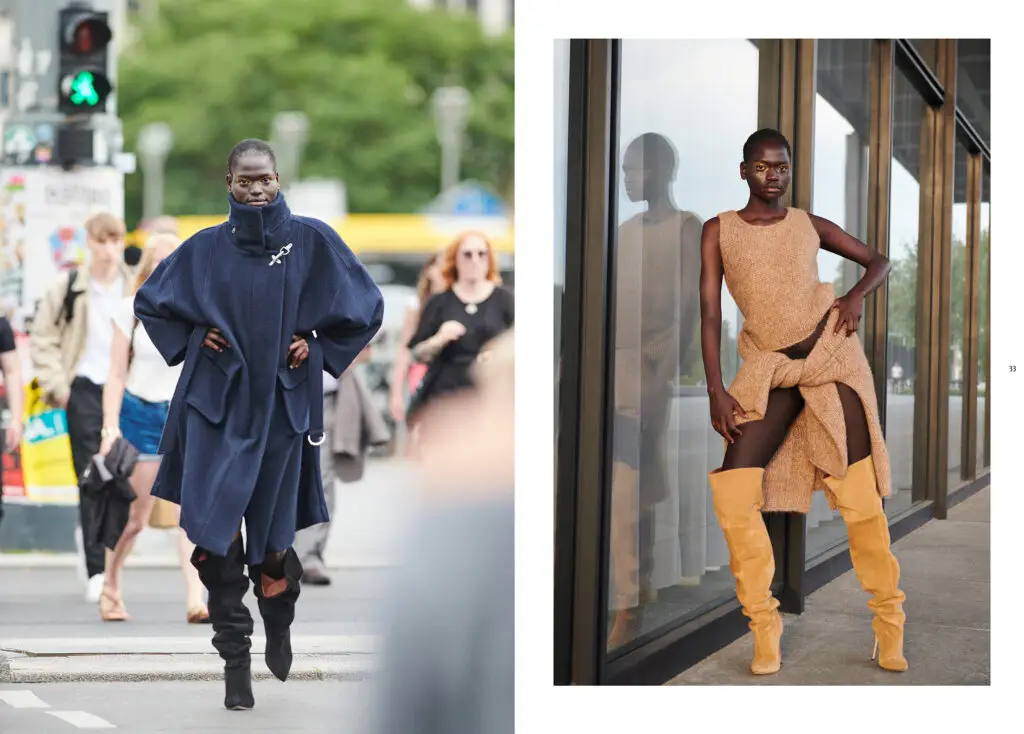
Photograph: Stephan Ziehen
Portrait: Bon Wongwannawat
Hair+Make-Up: Lisa Neubacher@Bigoudi
Models: Jill Deller@M4 models
Kelechi Onwuka@Modelwerk

Kategorien
FASHION

New looks for a/w

Illustrations: Fritz Erler

Kategorien
FASHION

Why am I me and not you

WHY AM I ME AND NOT YOU?

Photograph: Stephan Ziehen
Styling: Daniel Blechman
Hair: Jesus Rodriguez with products by Oribe
Make-Up: Natalia Soboleva@LigaNord
Models: Bastian@M4 models
Addie Sines@Modelwerk

Kategorien
FASHION

Charles Jeffrey

About club nights, monarchy and being Scottish – the wonderful world of Charles Jefferey

Talking to Charles is great fun! You feel his passion and enthusiasm in every word he says. And it is easy to imagine that his label „Loverboy“ started as a club night, which led then to the label, which we see now. The energy, the fun and his love for music comes through every fibre and in combination with his Scottish heritage, „Loverboy“ couldn’t look much different.
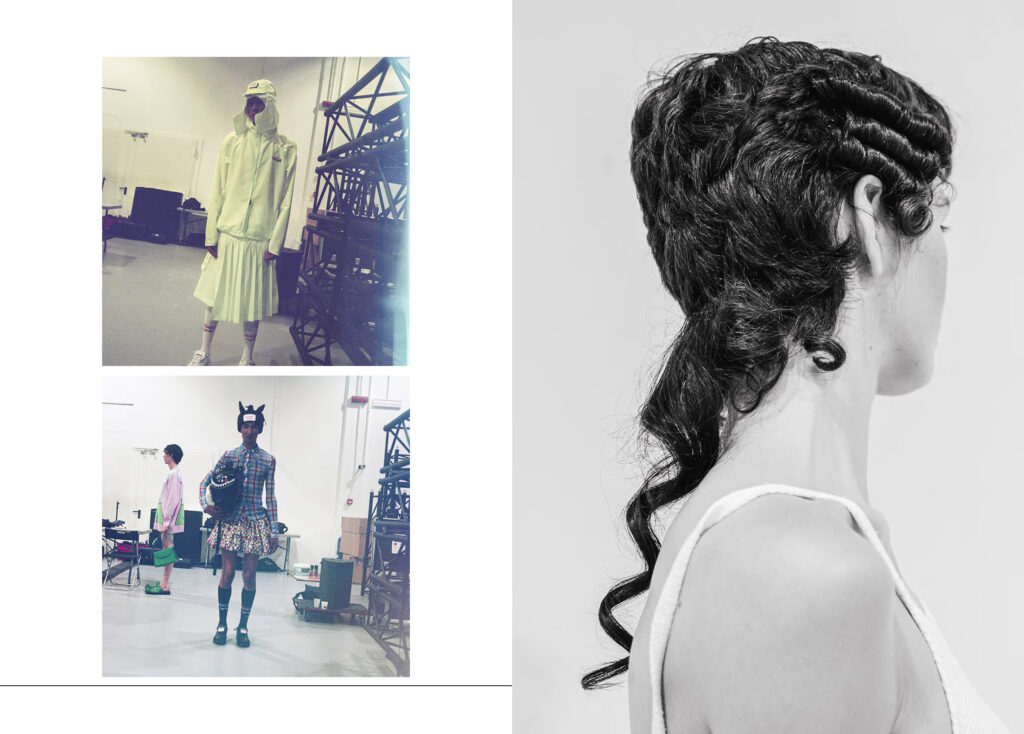
Also his new collection plays with all these elements, but also with his take on monarchy, caused by the death of the queen, the coronation of Charles and the general political turbulences in England. And if you stir in some queerness, you get an impression of his latest work.

CYTE: Congratulations to a fantastic show! I really like what you did! I’ve been a big fan since a while, especially since your fall 2021 collection, the „new romantics/punk“-collection, where I really got hooked to your work.

Charles. Thank you so much!

Cyte: Please tell me a bit about the new collection, what was your theme and what is the background?

C: I started researching for the new collection in September last year, around that time when the queen died and it was also the beginning with all the turbulences in parliament. It was like thrust back into historic time, it was all kind of pomp and pageantry, the news was constantly about the queen for a really long time – we had a taste about it the year before, when Prince Philipp died, and then with the queen it was like that on steroids. Don’t get me wrong, some of the visuals I really liked as a creative person – the uniforms and everything else are really beautiful and also the tradition, which we have as a country, is quite interesting. With that matched and the political turbulence going on, with the government changing and the new prime minister, we didn’t had any saying and now also with the new king, where we didn’t have any saying. We are now in this new era – the Charles era – my name is Charles – so what is that new era, that we are in? It’s the Carolean era – what if we were „new caroleans“. I was really interested of a reclamation of that space. I guess queerness is a reclamation of a certain kind of space, whether it is in club spaces, identity spaces or political rights. It’s always this idea of going against the grain and reclaiming a space for your own or language and things like that. So, I was, ok let’s try a new sensibility, let’s provide a new race of people or a new counterculture, called these „new caroleans“. This was sort of the initial starting point. And then I thought what are the visual elements I can start playing with to articulate this vision? So, when this is the „new caroleans“-era, what was the „past- caroleans“-era, what was the last one we were in. And it was in the 17th century with King Charles II and that was also a great reclamation, it was literally called the „great reclamation“ and it was all about the reclamation of the monarchy in contrast of a time when they were against the arts and anything creative, a form of christianity, when Britain was a kind of republic, where things were very stale and not very beautiful. So, I started looking at the 17th century dress specifically .That kind of doublets ,breeches and lace collar detailing, some of the architectures ,this kind of opulentness. So I how can I balance that with that idea of a counterculture and I started looking at my favorite counterculture, which is the „new romantics“.Which always something I like to go back to. But I wanted to go and find new images, cause there is so many which are used all of the time, and I really wanted to find some new specific, more public images. There is a great place in London called the „museum of youth culture“, which is a online database, that is user generated, so people send in there images, their own house, home images and the museum than tags it.
There are people from Bristol or Portsmouth or Brecon in Wales and they send in there images of them from like 1979 or early eighties, maybe with a little theatre collar but like a t-shirt, you know what i mean, with something really interesting…so I looked at that and I was also interested in that idea of wellness and running and exercises as being a form of a utopian thing as well. I mashed all those elements through an AI generator to create new images. So ,that’s how I started it with regards of research, reclaiming our space, using technology to create images and depicting a sort of utopia which we took from the monarchy, but then reformatted it in a way that felt a bit more public, subcultural and then aligned with wellness and sort of sports. So that was the research. So it’s a really long answer to your question.

CYTE: Brilliant.
You were mentioning quite often, not only now, but also before in interviews I read, queer fashion, and that’s been a word which has been used quite often now. How would you differentiate queer fashion to straight or regular fashion? Would you differentiate that? I mean, how would you characterize that?

Charles: Well, I think it’s always about going against something, it’s maybe like a form of punk or anarchy, you could say, but I think it’s very much steeped within the LGBT sort of thrashed around, especially when I started as a designer. But I see it as a sort of full exercise, you know, like, okay, how can you queer something? Okay, well, disintegrate it, and then you apply or imbue it with a sort of LGBT viewpoint, that then means that the people that are participating in that space feel that it represents who they are. So it’s in a visual way, it’s like a solid thing and it becomes really fluid. And then it turns into a whole new shape, but a shape that means that an LGBT viewpoint is taken on board, basically. So it can be as loose or as specific as you like it to be, really. And I think if you are seeing it in relation to straight fashion, I would say that straight fashion is always there’s so much culture that’s there that already exists that people regurgitate and view things in and it’s maybe more of a direct take, whereas the queer one will always either shoehorn in an LGBT viewpoint or it will mold it to fit it, if that makes sense. That’s how I see it.

CYTE: If I understand you right, I mean, if I exaggerate that, that straight fashion is more boring, and queer fashion is just more colorful and vibrant, in a way.

Charles: I guess, yeah, the results of queer fashion is definitely within those spaces, but I think there’s a lot more designers that are participating and I guess that sort of process of designing and thinking and marketing, it’s got a bit where, it’s weirdly got a bit watered down or sort of become this weird buzz word to justify certain designers‘ marketing agenda – which is fine. But I wouldn’t say that it means that straight fashion is boring. I think that it’s just a different way, and a different way in of designing fashion. You know, there’s lots of different approaches, and I think a queer, when you’re queering, or working in a queer point of view, it’s as I say, it’s about just always centering LGBT people’s existences within the work, and then moulding something around it, and then you can be playful and subversive and audacious, all of those kinds of things. But straight fashion can be all of those things as well, but I think it’s then catering more to the show and get some pieces on the website as well.
CYTE: Music seems to be quite important to you and also to the show and bits and pieces on the website as well. Where does that come from?
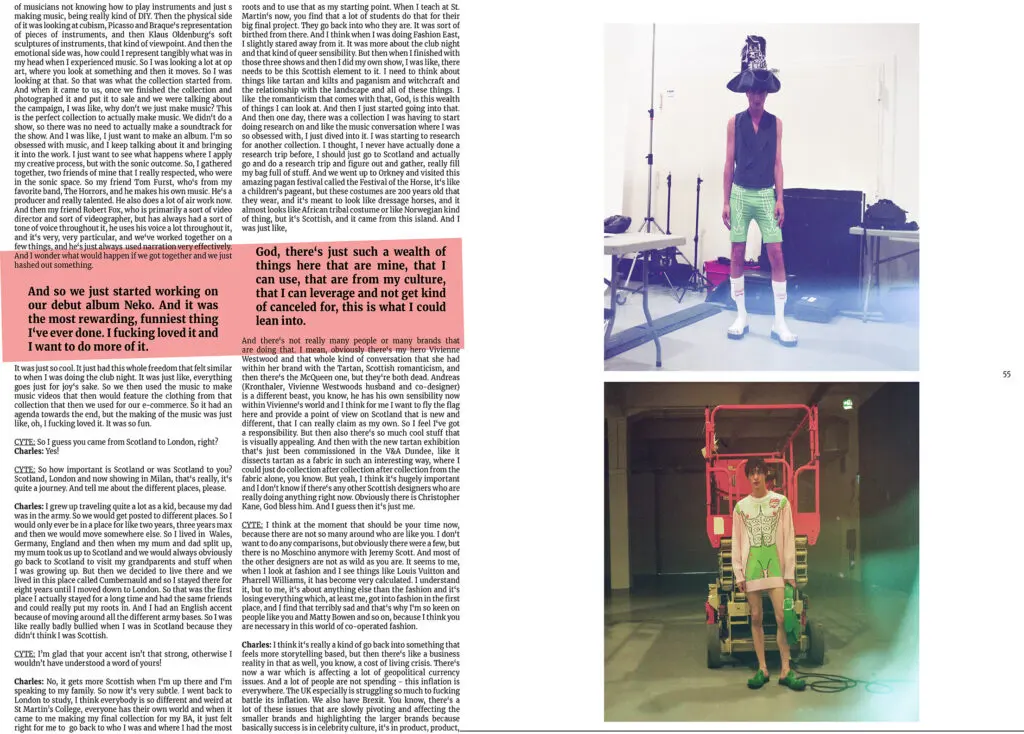
Charles: Loverboy started as a club night, so you know, one could argue that it’s always been part of music and music was where it kind of started, bringing people together in a space, playing music and then a culture comes from that. And whenever I would be making the shows and working with somebody who would be doing the show soundtrack, I could literally be right with them the whole way through, like exactly what I wanted in every single part of it. And I’m lucky that I’ve got a lot of patient musician friends who can deal with that. And I just found myself knowing specifically so much what I wanted, I would want this particular BPM or I’d want this beat from this thing with that kind of thing over the top of it, and then I did this collection where I want to honour this obsession that I have with the music. Because I also would get all of my ideas for the show or where I’d want to go with the research through walking to work and listening to music. So that’s like my safe space, it’s where I get all of my hopes and dreams from. The whole point of walking or running and listening to music, it’s just such an amazing thing, it’s like putting a cinema on in your mind, you know, you’re just sitting and clashing everything together. So I just wanted to do a collection that represents that. So I looked at 1979 specifically, it’s my favourite time in music and fashion and art. I looked at the no wave movement in New York because I love the idea of musicians not knowing how to play instruments and just s making music, being really kind of DIY. Then the physical side of it was looking at cubism, Picasso and Braque’s representation of pieces of instruments, and then Klaus Oldenburg’s soft sculptures of instruments, that kind of viewpoint. And then the emotional side was, how could I represent tangibly what was in my head when I experienced music. So I was looking a lot at op art, where you look at something and then it moves. So I was looking at that. So that was what the collection started from. And when it came to us, once we finished the collection and photographed it and put it to sale and we were talking about the campaign, I was like, why don’t we just make music? This is the perfect collection to actually make music. We didn’t do a show, so there was no need to actually make a soundtrack for the show. And I was like, I just want to make an album. I’m so obsessed with music, and I keep talking about it and bringing it into the work. I just want to see what happens where I apply my creative process, but with the sonic outcome. So, I gathered together, two friends of mine that I really respected, who were in the sonic space. So my friend Tom Furst, who’s from my favorite band, The Horrors, and he makes his own music. He’s a producer and really talented. He also does a lot of air work now. And then my friend Robert Fox, who is primarily a sort of video director and sort of videographer, but has always had a sort of tone of voice throughout it, he uses his voice a lot throughout it, and it’s very, very particular, and we’ve worked together on a few things, and he’s just always used narration very effectively. And I wonder what would happen if we got together and we just hashed out something. And so we just started working on our debut album Neko. And it was the most rewarding, funniest thing I’ve ever done. I fucking loved it and I want to do more of it. It was just so cool. It just had this whole freedom that felt similar to when I was doing the club night. It was just like, everything goes just for joy’s sake. So we then used the music to make music videos that then would feature the clothing from that collection that then we used for our e-commerce. So it had an agenda towards the end, but the making of the music was just like, oh, I fucking loved it. It was so fun.
CYTE: So I guess you came from Scotland to London, right?
Charles: Yes!
CYTE: So how important is Scotland or was Scotland to you? Scotland, London and now showing in Milan, that’s really, it’s quite a journey. And tell me about the different places, please.
Charles: I grew up traveling quite a lot as a kid, because my dad was in the army. So we would get posted to different places. So I would only ever be in a place for like two years, three years max and then we would move somewhere else. So I lived in Wales, Germany, England and then when my mum and dad split up, my mum took us up to Scotland and we would always obviously go back to Scotland to visit my grandparents and stuff when I was growing up. But then we decided to live there and we lived in this place called Cumbernauld and so I stayed there for eight years until I moved down to London. So that was the first place I actually stayed for a long time and had the same friends and could really put my roots in. And I had an English accent because of moving around all the different army bases. So I was like really badly bullied when I was in Scotland because they didn’t think I was Scottish.
CYTE: I’m glad that your accent isn’t that strong, otherwise I wouldn’t have understood a word of yours!
Charles: No, it gets more Scottish when I’m up there and I’m speaking to my family. So now it’s very subtle. I went back to London to study, I think everybody is so different and weird at St Martin’s College, everyone has their own world and when it came to me making my final collection for my BA, it just felt right for me to go back to who I was and where I had the most roots and to use that as my starting point. When I teach at St. Martin’s now, you find that a lot of students do that for their big final project. They go back into who they are. It was sort of birthed from there. And I think when I was doing Fashion East, I slightly stared away from it. It was more about the club night and that kind of queer sensibility. But then when I finished with those three shows and then I did my own show, I was like, there needs to be this Scottish element to it. I need to think about things like tartan and kilts and paganism and witchcraft and the relationship with the landscape and all of these things. I like the romanticism that comes with that, God, is this wealth of things I can look at. And then I just started going into that. And then one day, there was a collection I was having to start doing research on and like the music conversation where I was so obsessed with, I just dived into it. I was starting to research for another collection. I thought, I never have actually done a research trip before, I should just go to Scotland and actually go and do a research trip and figure out and gather, really fill my bag full of stuff. And we went up to Orkney and visited this amazing pagan festival called the Festival of the Horse, it’s like a children’s pageant, but these costumes are 200 years old that they wear, and it’s meant to look like dressage horses, and it almost looks like African tribal costume or like Norwegian kind of thing, but it’s Scottish, and it came from this island. And I was just like, God, there’s just such a wealth of things here that are mine, that I can use, that are from my culture, that I can leverage and not get kind of canceled for, this is what I could lean into. And there’s not really many people or many brands that are doing that. I mean, obviously there’s my hero Vivienne Westwood and that whole kind of conversation that she had within her brand with the Tartan, Scottish romanticism, and then there’s the McQueen one, but they’re both dead. Andreas (Kronthaler, Vivienne Westwoods husband and co-designer) is a different beast, you know, he has his own sensibility now within Vivienne’s world and I think for me I want to fly the flag here and provide a point of view on Scotland that is new and different, that I can really claim as my own. So I feel I’ve got a responsibility. But then also there’s so much cool stuff that is visually appealing. And then with the new tartan exhibition that’s just been commissioned in the V&A Dundee, like it dissects tartan as a fabric in such an interesting way, where I could just do collection after collection after collection from the fabric alone, you know. But yeah, I think it’s hugely important and I don’t know if there’s any other Scottish designers who are really doing anything right now. Obviously there is Christopher Kane, God bless him. And I guess then it’s just me.

CYTE: I think at the moment that should be your time now, because there are not so many around who are like you. I don’t want to do any comparisons, but obviously there were a few, but there is no Moschino anymore with Jeremy Scott. And most of the other designers are not as wild as you are. It seems to me, when I look at fashion and I see things like Louis Vuitton and Pharrell Williams, it has become very calculated. I understand it, but to me, it’s about anything else than the fashion and it’s losing everything which, at least me, got into fashion in the first place, and I find that terribly sad and that’s why I’m so keen on people like you and Matty Bowen and so on, because I think you are necessary in this world of co-operated fashion.
Charles: I think it’s really a kind of go back into something that feels more storytelling based, but then there’s like a business reality in that as well, you know, a cost of living crisis. There’s now a war which is affecting a lot of geopolitical currency issues. And a lot of people are not spending – this inflation is everywhere. The UK especially is struggling so much to fucking battle its inflation. We also have Brexit. You know, there’s a lot of these issues that are slowly pivoting and affecting the smaller brands and highlighting the larger brands because basically success is in celebrity culture, it’s in product, product, product, marketing, marketing, marketing, the rich will always stay rich even through wars and through pandemics, so what do these people want to have? They’re interested in, things they see on their phones and social media, they just want to be aligned and copies of each other. They want the most exclusive celebrity-driven money-making thing! So it’s just a sign of the times right now. I don’t think that it’s ever going to be like this for the rest of time. I think it’s just this kind of thing that we have to grit our teeth through a little bit and reflect. But you have to be malleable, you have to be a business that responds to these times. And I think the challenge which a creative person like myself needs to think through is how do you balance both? How can you lean into something that is serving you well, like we have a product that is very popular, this knitted hat that’s selling so much, how do we lean into that, but then also keep this process of working, which is steeped in real proper thought through research that’s saying something about the world around us, and is keeping us within this scope that we could then go back into something a bit more romantic. I’m even thinking for the next year, do I want to continue doing shows? Do I want to just focus on sell-through, because we’ve grown quite a lot over the last two years. We’ve got so many more clients and we’ve made our collections a lot more commercial to satisfy those needs. But then there’s a need to go into these places and do proper marketing and actually convince people why they should buy this product. And I think that you can siphon what you would do within the research process for a collection and a fashion show into mini campaigns or little kind of communication tools. But it’s like being in school, you have the fun years where you’re playing with your friends and you’re painting and making pasta sculptures and you’re having fun. And then you get into the years where you have to do maths and English and really think about more intellectual things. And then you get into your exam and that’s how I see it right now with a business. It’s like, I’ve had my fun, I’ve been able to just be myself and be silly and all of this. And now I’m okay, well, I also have to think about how I can play the game, how can I go in and stimulate the market and also react to the market but then still work. So there’s a lot more thinking and being a bit more adult about it.
CYTE: I was talking to Lutz Huelle, a german designer in Paris, who does besides his own collection a capsule for AZ Factory…
Charles: Yeah, I love his work. He’s so cool.
CYTE: … but he’s growing now. And I was talking to him, would you go under the roof of a big house, you know, of LVMH or whatsoever. And he said, well, it comes to a point where you probably have to. And my concern is always that then the fun goes away. You make probably more money then, but I have the impression that whatever is cool now, will disappear. I mean, I love his second hand up-cycled jeans and the bomber jackets. He says, he does that just because he has not enough money to do a proper denim collection, because denim is so expensive. You need to have, as you said, a thousand meters of this and that to do it. But I think the fact that he has to go to all the secondhand stores and get the old denim stuff, makes it to what it is.
Charles: We’re just always pressured to be constantly expanding. I was aware of this recently just after doing this other show, and if we are showing in Milan and the sales are growing. We could either just keep selling and keep selling but where’s the human approach here? Because the idea of capitalism becomes very started, it’s not human, it’s not a human approach. It’s just quite artificial. It’s that growth. I think with fashion it’s such a human thing. And you can go down that route, especially when you’re at a certain price point and a certain luxury thing to be the brand that someone else chooses over, you know, something, especially if you’re spending, like with us, we’re on the lower end of luxury. So a jacket can be four or five hundred pounds. We never make anything more expensive than about a thousand. If it’s a coat with a special material or whatever. But do I spend £1,000 on a Loverboy coat? Or do I spend £1,000 on a Burberry or something else? You need to start thinking about the human approach. That’s why I was quite interested in going back into the clients and going back into the shops and understanding what the customer is really nurturing in our e-commerce and making, you know, having a conversation more. I was listening to a BOF podcast with Oliver Spencer, the menswear designer. He has a store in this street in London called Lambs Conduit Street. It’s a very famous street for menswear. He has a couple of stores and he’s not got an investor or anything. He’s independent. He’s talking about his journey and I found some really interesting in that conversation, that he has a shop front and he has a store and so he’ll go into the store and he’ll just watch and listen to the customers and sometimes they don’t even know that he’s Oliver Spencer and he’ll just be talking to them and understanding what they want and then he’ll be giving that direct approach. And then he said that, he has repeat clients that he’s had for 20 years that will always buy Oliver Spencer because they have this relationship. And the same with Paul Smith and also with Vivienne Westwood. You know, there was a lot of people that were with her from the very beginning. And I have gone down this route that is very expected for a London designer. You know, I went to Central Saint Martins, I did Fashion East, I went into New Gen and then I was in London Fashion Week and now I’ve graduated to another Fashion Week. And where has the customer been in this? They’ve just been buying into us and obviously we make content and we do the whole social media and we do everything. But I only had a flavor of the customer when I went to Korea this year. And we have such a huge fan base in Korea. Like, I felt like a celebrity when I went out there. There’s people screaming in the street like, Oh my God, Charles Jeffery! And I was shocked, you know? I have sometimes people in London be like, Oh, I admire your work, or they’ll say hi or something. But in Korea, I felt like an actual celebrity. It was mad. We were in a store, did this activation, and then I was actually talking to them. What do you like about the brand? What do you what do you wear it with? Like what you’re interested in? Because they were all just wearing this hat, you know, this hat that all the K-pop stars wear. What do you think about the other clothes? And they were like, it’s too expensive or maybe it looks a bit like something else. Or there was some people that were saying that they think it’s too grown up. And I was like, oh, OK, well, maybe it needs to be more like this pad that people like, you know, and you can’t just be in your own bubble just doing things, you have to also marry that with an element of the person who’s buying your goods and actually start responding to them and having a conversation with them. And I think that’s what is interesting about the Lutz Huelle approach, because there is a very human element to how he talks to people on Instagram and also the hand-feeler and what you’re saying about going and getting these individual pieces from the stores and that kind of element. But you have to know what your client wants, you know, like who’s your customer and are they interested in the story behind the piece of clothing, like someone who would be interested in the Margiela piece of clothing, in the early Margiela, and the piece or even the new Margiela, I mean, there’s story there. Or are people more interested in the novelty element of it and they just want to wear something brash and has a statement like a Moschino or like us or something? Or are they interested in the heritage and the collectability of it and the kind of the thing? That’s what I need to reflect a little bit. That’s what I’m hoping to do next year is the projects that we do are not just doing it for to be on the same fashion wheel and just to do shows for the sake of shows. Like it’s a lot of money you know it’s a lot of money and you have to I think about it, is that what I want? I like to come up with a bit more of a human response to it, if that makes sense.

CYTE: Milan Fashion Week is for you like an upgrade from London Fashion Week?
Charles: Yes. I mean, in an ideal world, I would just stay in London because I love London. You know, London is a very special fashion week that deserves to be protected. But at the same time, you know, it’s business and like the menswear week has sadly completely gone because of lots of different factors. It was a great thing that came from the Olympics, you know, when the Olympics in London happened and it was all this buzz about the UK before Brexit and there was this influx of people coming in and so there was this new revival of menswear and we were at the very tail end of it, I was really lucky to be part of that conversation. But it’s gone now, at this stage, I don’t feel London can give me the return of investment that I would put into doing an activation at this moment in time. So I decided to go to Milan rather than Paris because I, last year, I went to both Paris and Milan Men’s and when I went to Milan I was just like there’s not many people doing what I’m doing there you know like yes Jeremy was at Moschino last year and he was doing his thing and then there’s Marni with Francesco, but now Francesco is doing a co-ed show and now that Moschino isn’t there or doing anything at the moment, well, I should just go out there and I should do my thing. And Jonathan (Anderson) was out there and Jonathan was a real North Star for me. I really adore what he does and like him being Irish and me being Scottish. He’s very different. But I just really followed him from the beginning, it’s really been someone that I’ve kept as a North Star and can see myself getting to, maybe I’m not with LVMH, but I can see myself achieving that level if I play my cards right. I’m not afraid of selling and going into these big places. I’m not afraid of commerce, I’m not afraid of growing a business, but what I think you need to do is, you need to just always make sure you’re having that time to reflect and thinking about how you can imbue tactical strategic actions with that, you know. But London is, yeah, it’s a real shame. I don’t know, I feel this always happens to London, like it goes up and down. So it’s just kind of in a down phase and maybe something will happen.
CYTE: London was always the starting point and the inspirational point, but never the place where you made the money. And somehow it hasn’t changed.
I also have to talk to you about sustainability and all this. What is your viewpoint?
Charles: It’s so scary when you get these news bulletins, especially in a summer now about like the hottest day and it just feels more and more real and I read a book last year called „How to build a business the world needs“. And it was a little short book, but it was written for people like me, with their own businesses that are kind of in the fray and doing it. And it was just the thing that made you reflect on what you’re doing. And is your business taking from the planet? Is your business something that the world needs? Is your business beautiful? Is it a beautiful thing that people can, it provides an element of beauty. Is it something that can give back? You know, and it gave a few case studies of different brands, one was Vejas shoes. And there was another one like a sort of social enterprise and it made me think because Loverboy started as a club night. It didn’t start as a brand it started as a club night not a clothing brand and it’s made music now. And I never want it to just be one thing. And, you know, I’ve got in my kind of reflection document that I was telling you about, where I’m going to think about what to do with the more human approach. One of my statements is like how can Loverboy survive without having to just make products? What can it do to leverage its 360 approach to build in another income? Because we’re also at the mercy of a wholesale market. We’re at the mercy of how the world is operating. I was just talking to you about how with the war and everything people aren’t buying as much and they’re sitting on a lot of stock and only like the upper echelon of what like rich people are buying super super quality. So there’s already that conversation. And how can we enter people’s homes?How can we provide a service? How can we give back to the community? We’re queering fashion but what are we doing to the queer community outside of that? What can we do? What can we provide? Is it about us creating more spaces again and doing club nights again and making the music and creating music spaces for people? How can we do new venture, but then start sustainably, you know, I think it’s very important to with any new endeavor to always bring that to the forefront, but there is also the realities. We’ve never been a brand that’s made excess stock. We’ve never done a sample sale, because we never are sitting on samples. We always go back into our fabrics that we have commissioned. And we always try and chip away at the fabrics that we still got left to then make things again. And we’ve been a very frugal studio for since we’ve began. But we’re still making stuff. We’re still making denim, we’re still dyeing fabrics. We’re still doing things, we’re stuck in that position right now, but we’re talking about it and I think it’s important in this new year, in this new chapter, to really position ourselves as a brand that can offer other things than products. And maybe in that other offering, give back at the same time. Whether it’s a form of entertainment, is there a form of music, is there something that can leverage this creative storytelling, deep research? We’re really keen to always do that. How can we leverage that energy and siphon it into something else. So I think for me, that’s the kind of place to be in. It needs a process that takes excess and makes something you like. The only person that’s doing that is Marine Serre and she is the only brand that’s actually doing it within a modern context, that I do understand. A lot of the rest, everyone else is greenwashing and she’s the only one that is actually patching together and making clothes, but it only provides a certain aesthetic. It’s difficult.

CYTE: It’s really hard to digest! I find it pretty tough and full on what she’s doing, you know?
Charles: Yeah, but I just wonder whether we are going to end up living in this kind of Mad Max type of world where it’s all deserts and everyone’s farming to get water. There’s no need for a designer then. I feel I would like to be able to entertain. I love the idea of being able to entertain and provide someone with a story or a feeling of something that then doesn’t need to rely on stuff or making things as much. And that’s what I would like to lean into more. Then there’s also the conversation about craft and the art and the beauty of making beautiful things, and that’s a human thing. What can you do within the clothing space that can help with a certain service?

CYTE: I think that’s the best I’ve heard of it for ages in this respect. I mean, I think it’s a good thought and it’s… I mean, usually whenever I talk to designers in certain positions, it’s always about growth and yes, and the dilemma, but we’re trying and we greenwash here and we talk there and blah, blah, blah, blah, but in the end, it’s just words, you know, it’s just empty words. And I think what you’re saying makes sense. And you know, at the end of the day, and that’s something which might come through as well, I mean, is your life better if you sell more clothes and to make it bigger, bigger, bigger, bigger, bigger? No, probably not. I mean, it’s more fun. I mean, for you probably the club nights and the Loverboy nights in the beginning, that’s probably more fun than now talking about certain business plans and stuff like that.
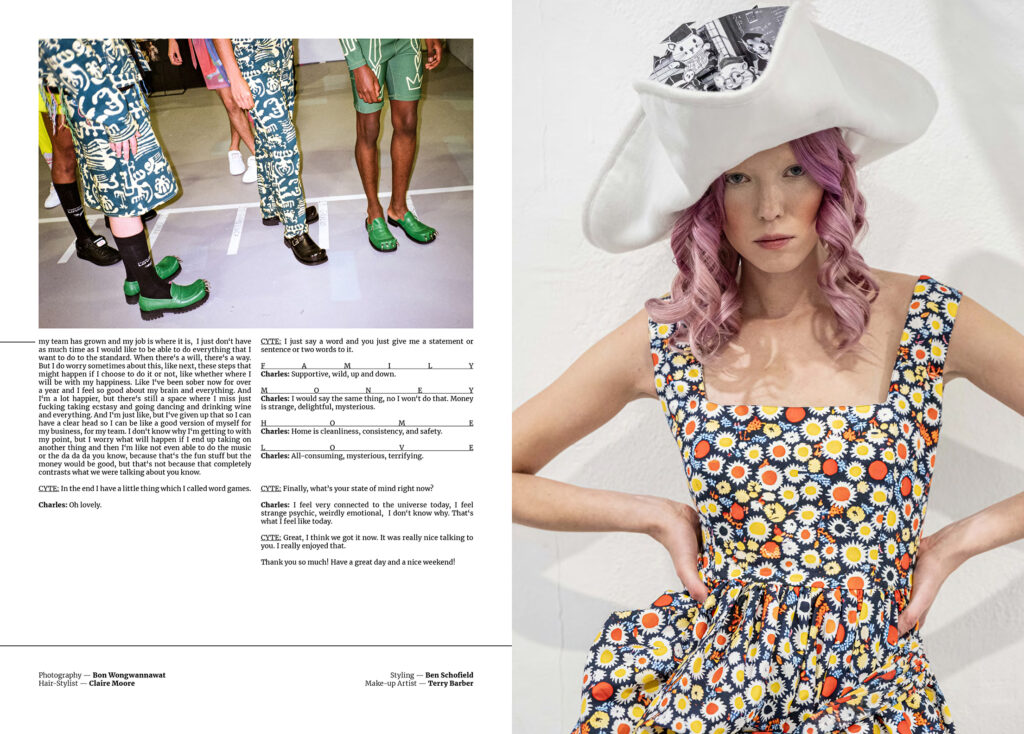
Charles: Yeah, there’s elements of being a very insecure person about my intelligence, I think it comes from when you, like a lot of creative people who end up having issues with like attention or reading or stuff like that. There’s always that question of your intelligence and your intellect. And I recently just lent into my own way of doing things across writing, across business planning and whatever, and there’s something that I find really rewarding. I do it in my own hodgepodge DIY way. I find it rewarding and actually quite exciting about leaning into that kind of work, because I’m doing it in my way and it kind of validates my insecurities of my intelligence sometimes because it’s just about a human approach, it’s about a body, like a brand is a body, the brand is a human body. I like visualize it in that way, I make it creative, the brand is a human body, what areas of the brand is part of the body, okay, finance is the stomach, the management team is the brain, the designer is the mouse, all of this kind of stuff or the heart or something. And you just put and plot what you know about the business and what you know is going on into it and you get a sense of what it is. And then you use that to then say, well, then the body has an issue with this elbow and it needs to get that fixed because that connects to it. You do it in that way. And I think I find that inspiring and interesting. My only issue is time. I feel like especially now that my team has grown and my job is where it is, I just don’t have as much time as I would like to be able to do everything that I want to do to the standard. When there’s a will, there’s a way. But I do worry sometimes about this, like next, these steps that might happen if I choose to do it or not, like whether where I will be with my happiness. Like I’ve been sober now for over a year and I feel so good about my brain and everything. And I’m a lot happier, but there’s still a space where I miss just fucking taking ecstasy and going dancing and drinking wine and everything. And I’m just like, but I’ve given up that so I can have a clear head so I can be like a good version of myself for my business, for my team. I don’t know why I’m getting to with my point, but I worry what will happen if I end up taking on another thing and then I’m like not even able to do the music or the da da da you know, because that’s the fun stuff but the money would be good, but that’s not because that completely contrasts what we were talking about you know.

CYTE: In the end I have a little thing which I called word games.
Charles: Oh lovely.
CYTE: I just say a word and you just give me a statement or sentence or two words to it.
FAMILY.
Charles: Supportive, wild, up and down.
MONEY.
Charles: I would say the same thing, no I won’t do that. Money is strange, delightful, mysterious.
HOME.
Charles: Home is cleanliness, consistency, and safety.
LOVE.
Charles: All-consuming, mysterious, terrifying.

CYTE: Finally, what’s your state of mind right now?
Charles. I feel very connected to the universe today, I feel strange psychic,
weirdly emotional, I don’t know why. That’s what I feel like today.

CYTE: Great, I think we got it now. It was really nice talking to you. I really enjoyed that.
Thank you so much! Have a great day and a nice weekend!


Photograph: Bon Wongwannawat
Stylist: Ben Schofield
Hair Stylist: Claire Moore
Makeup Artist: Terry Barber

Kategorien
FASHION

The Now Chic

THE NOW CHIC

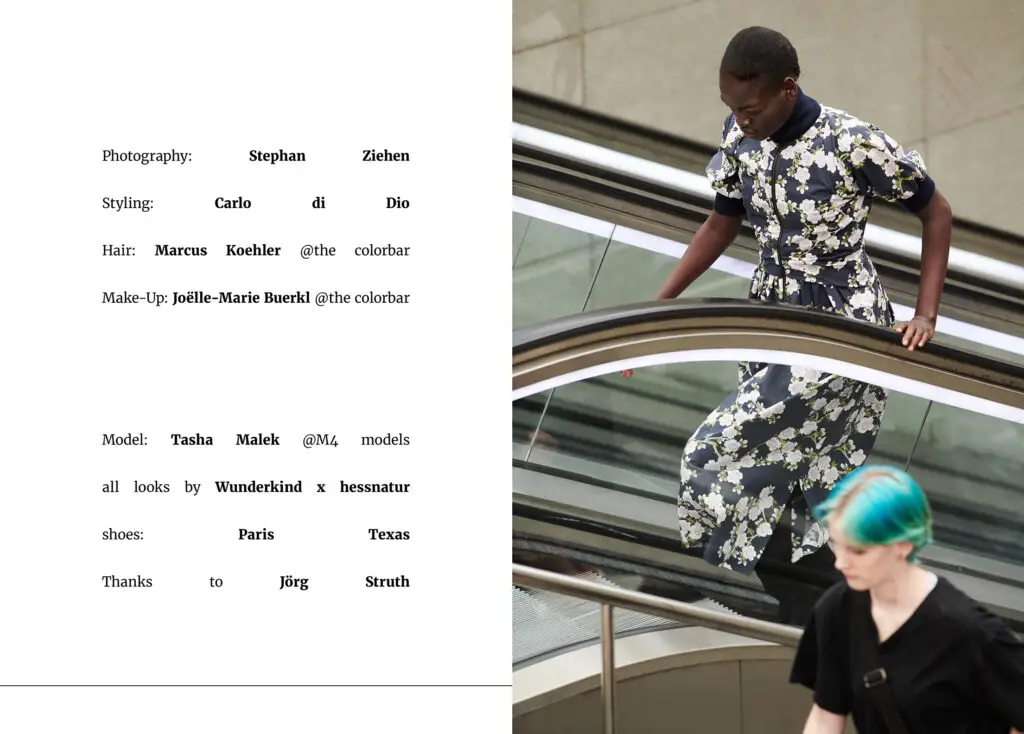
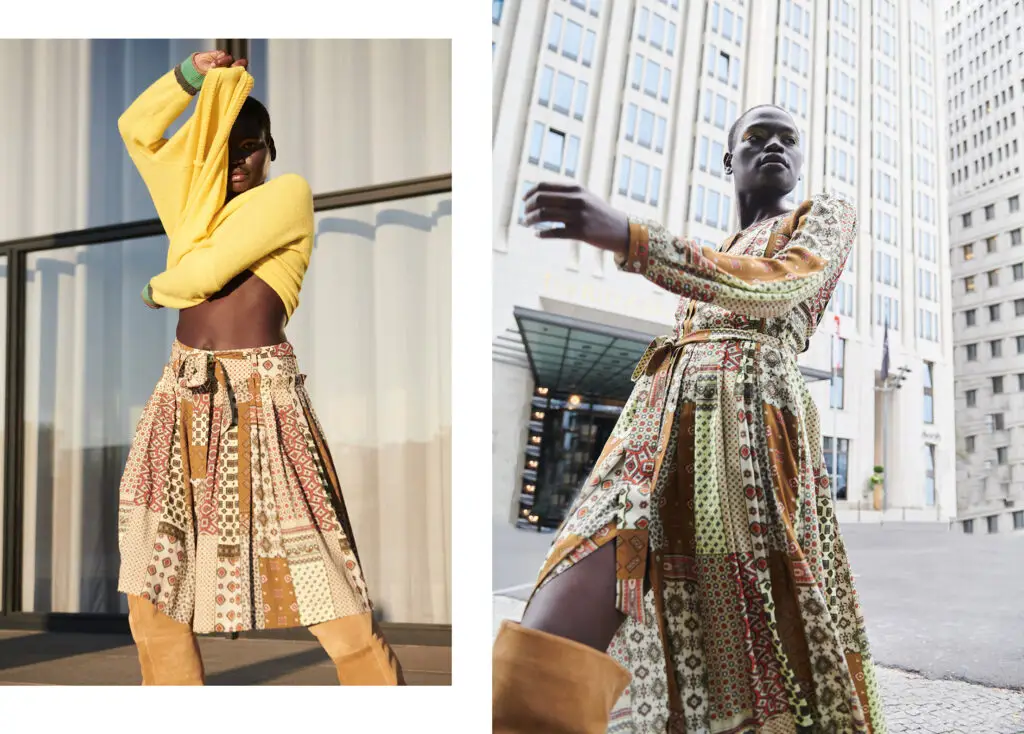
Photograph. Stephan Ziehen
Styling: Carlo di Dio
Hair: Marcus Koehler@the colorbar
Make-Up: Joëlle-Marie Buerkl@the colorbar
Model: Tasha Malek@M4 models

all looks by Wunderkind x hessnatur
shoes: Paris Texas

Thanks to Jörg Struth

Kategorien
FASHION

AI ANNA

Shirt Balenciaga, pants The Attico, shoes Birckenstock, jacket Magda Butrym

Jaket and skirt Emilio Pucci, boots Balenciaga

Pants Darkpark, shirt Alaia

Body Alaia, pants Coperni, shoes + jacket Courreges

Bomber Balenciaga, skirt The Attico

Corset Magda Butrym, bracelet Balmain

Photograph: Uwe Körner

Model: Anna Shi@Tigers

Styling: Romina Schoene

Hair+Make-Up: Sven Ohlsen

Retouch/AI: Döss Realisation

Casting: Karen Stehle

Studio: Buddy Rental

Thank you: Emerson Renaldi

Kategorien
FASHION

What we love this season

Illustrator: Julius Maxim

Kategorien
FASHION

Shows 2022-Modekritik

Ich bin sprachlos! Endlich wieder Shows! Das Modekarussell dreht sich wieder!
New York, London, Mailand, Paris. Alle sind begierig darauf, sich wieder zu sehen und sich wieder zu zeigen. Und natürlich die neuen Kleider zu bestaunen. Aber nicht nur das. Mittlerweile noch viel wichtiger als die Klamotte selbst, ist deren Inszenierung. Je pompöser, größer und spektakulärer, desto besser.
Mir gefällt das …irgendwie. Ich bewundere diesen Ideen-Reichtum, diese unglaublichen Sets und die Poesie von all dem. Aber die Dimensionen, die es angenommen hat, sind kaum noch nachvollziehbar. Früher (ich weiß „Früher“-Geweine ist schrecklich, aber…) gab es höchstens 2-3 Schauen, die ausschließlich von einer überbordenden Inszenierung lebten. Heute scheint es Standard zu sein.
Offenbar ist der mediale Effekt so groß, dass man kaum noch zusätzliche Werbung braucht. Dafür sorgen die Zuschauer auf Social Media selbst.
Je mehr Glamour und je spektakulärer die Inszenierung ist, desto mehr strahlt sie auf die Marke ab, desto häufiger wird sie in den Netzwerken geteilt. Ein Phänomen, das sich die großen Marken geschickt zunutze gemacht haben. Aus Kunden werden Fans, die selber dafür sorgen, das die Botschaft unters Volk gebracht wird. Das reicht als Multiplikationsfaktor. Dafür müssen Celine, Dior, Balenciaga und CO. nur einmal tief in die Tasche greifen und nur eine teure Show bezahlen. Die zusätzlichen teuer bezahlten Kampagnen entfallen fast komplett. Sie sind überflüssig, denn für die Reichweite sorgen jetzt die Fans – unentgeltlich.
Im Grunde eigentlich eine gute Sache und für alle eine WinWin Situation, aber …sind
da nicht die Verhältnisse aus den Fugen geraten? Es geht darum Klamotten zu verkaufen. Klar es sind wunderschöne, ausgefallene und sündhaft teure Klamotten. Aber letztendlich „nur“ Kleidungsstücke. Muss dafür die New Yorker Börse als Laufsteg herhalten? Macht der Zynismus, der dahinter steht, irgendjemanden nachdenklich? Ist das überhaupt die Absicht? Welcher Zynismus? Dieser: Reiche Leute, die mit Spekulationen (an der Börse) enorme Summen bewegen (gewinnen: juhuu/verlieren: egal), bekommen Fetisch-Klamotten direkt an der Wall Street präsentiert. In die sie dann bitte „investieren“ mögen.
Diese dahergelaufene Provokation fühlt sich schal an. Es soll so bedeutungsschwer rüberkommen, aber letztlich geht es nur ums eitle Auffallen – und, das von einem, der Balenciaga wirklich mag! Man darf bei solchen Inszenierungen nicht anfangen darüber nachzudenken, was sie zu bedeuten haben – sie halten nicht Stand. Also genießen wir die Show und regen uns hinterher über die Macht des Geldes auf.

Auch Celine hat keine Kosten und Mühen gescheut, die bekanntesten K-Pop Stars zu ihrer Show kommen zu lassen. Drei junge Menschen, die es sicher gewohnt sind mit ihrem Ruhm umzugehen, aber trotzdem etwas irritiert und sprachlos mit diesem Spektakel umgehen. Tausende von Fans stehen an der Straße zum Palais de Tokyo in Paris und jubeln ihnen zu. Aber sie verstehen nicht so richtig, wem der Jubel und die ganze Aufmerksamkeit gilt. Man sieht es ihren entgeisterten Gesichtern an, geht es da um sie oder geht es um Celine – was passiert hier, es geht doch um eine Modenschau …um Klamotten?
Eigentlich auch nicht weiter schlimm, wieder machen sich die Fans der K-Pop Stars und die Fans von Celine zu freiwilligen Helfern einer Marke, deren Klamotten sie sich in den meisten Fällen nicht leisten können und wenn dann höchstens ein mühsam zusammen gespartes T-Shirt – natürlich „gebranded“ – für € 450.-.
Ziemlich krank!
Oder einfach nur perfekt, perfides Marketing. So verführerisch und einnehmend wie eine Droge. Und alle wollen den Stoff, promoten ihn auf Instagram und TikTok.
Auch mir fällt es schwer, mich dem zu entziehen. Wieder ist es da, das Dilemma, was ich häufig fühle: Es ist bestimmt toll, sich so eine Show auszudenken, zu inszenieren und organisieren. Ein wahnsinniger kreativer Kraftakt! Aber wofür??? Damit eklige, geliftete, Superreiche noch leichter verführt werden sich diese Klamotten zu kaufen?? Damit ein paar nicht ganz so reiche Kids ihr mühsam gespartes Geld in einem überteuerten T-Shirt mit Marken-Logo anlegen?? Das ist von beiden Seiten schrecklich – die Labels, die so agieren und die Kundschaft, die dabei mitmacht. Eine schreckliche Vorstellung!
Zusätzlich ist dieser ganze Gigantismus in Angesicht aller Krisen dieser Welt mehr als fragwürdig! Wäre in dieser Situation nicht ein bisschen mehr Demut angemessen und nicht nur weitere Gewinnmaximierung auf Kosten aller Ressourcen dieser Welt?
Sicher muss man auch in dieser Situation nicht nur im Büßergewand durch die Gegend laufen, die Welt dreht sich ja weiter, aber dass das Luxussegment skrupellos weiter mit allen Mittel Begehrlichkeit schafft, die sich nur noch eine kleine Elite leisten kann und dem armen Rest vorgaukelt, das dies auch noch sehr erstrebenswert ist,
ist bedrückend.
Auch was die grundsätzliche Inszenierung von Shows angeht, könnte man wieder etwas kreativer werden. So toll viele Konzepte auf den ersten Blick auch sind, halten sie selten mehr als eine hohle Fassade. Aber vor allen Dingen kann man den menschlichen Aspekt nicht hoch genug einschätzen, wenn nämlich tolle Kleider, schlüssige Konzepte und Modelle mit der richtigen Energie über den Laufsteg marschieren, dann braucht man keine Pyramiden im Hintergrund, keinen Börsenmarkt oder gigantische Sets im Grand Palais, dann reicht einfach der „human touch“ und alle sind berührt. Ich erinnere mich gerne an diverse Rick Owens Shows oder an die opulenten Jean-Paul Gaultier Party-Shows…
Aber wenn man so was nicht hinbekommt, muss man leider klotzen.
Nicht falsch verstehen, auch ich mag das große Spektakel, aber wenn die Verpackung irgendwann toller und wichtiger wird als der Inhalt, wird’s halt schwierig.
Wenn soviel Mode, von so vielen Labels, sooft gezeigt wird, dann wird sie sich zwangläufig wiederholen und wird zwangsläufig beliebig, also muss die Inszenierung das kaschieren. Und auch wenn ich mich wiederhole, da wäre dann wirklich weniger mehr. Die Zyklen sind zu kurz und es gibt einfach zu viel von allem.
Also erspart uns doch allen die Zeit, schont unser Portemonnaie und zeigt weniger aber dafür bessere Mode. Pusht nicht künstlich was auf, was im Grunde keiner sehen will und auch nicht braucht. Vielleicht gäbe es dann etwas mehr Schönheit und ein paar Burnouts weniger in dieser Modewelt.


Kategorien
FASHION

Sleepless

Photograph: Stephan Ziehen
Styling: Anna Kühmstedt
Hair+Make-Up: Kristin Waltersdorf@Bigoudi
Casting: Karen Stehle
Models: Nisha + Maxi@Kult Models

Kategorien
FASHION

The Nonconformist

Photograph: Stephan Ziehen
Hair: Marcus Koehler #marcuskoehler_thecolorbar
Rocky Villanueva #rockyvilla.hair
Make-Up: Lisa Neubauer@Bigoudi
Modelle: Emily, Maya, Benjamin + Eva@Kult Models
Casting: Karen Stehle
styled with Schwarzkopf Professional Session Label
#schwarzkopfpro.de
Retouching: Gloss Envision